

What is New Zealand food?
New Zealand is perhaps not the first nation that you think of when you think of great bread, or even of culinary delights in general.
Visitors often ask me, “What is New Zealand food?”. A lot of what is today considered New Zealand food finds influence from other cultures that have come here—most notably the British, who have had the strongest impact. That’s why things like fish and chips, meat pies, and lamb roast are all today considered to be quintessentially Kiwi.
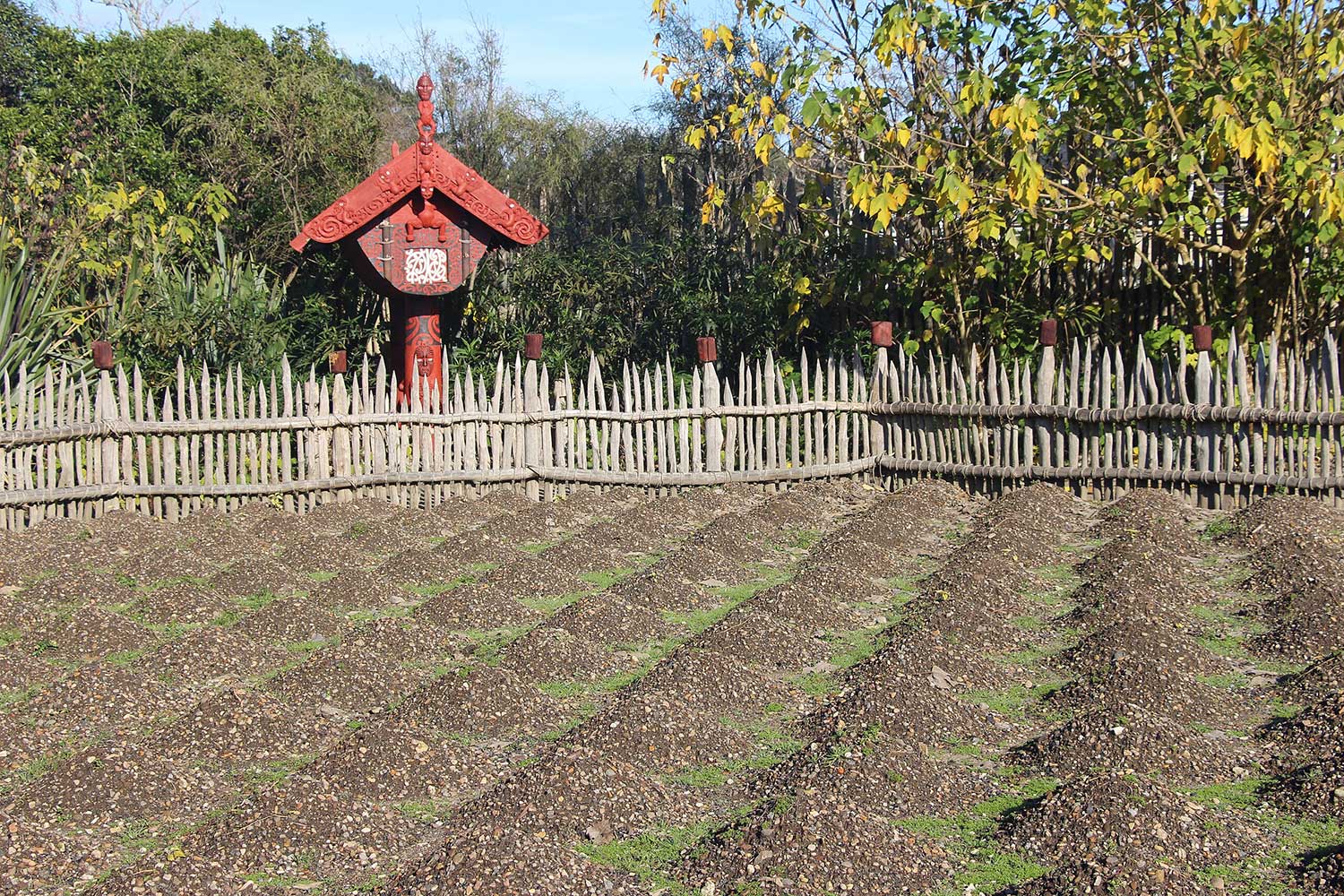
Te Parapara Māori Garden, Hamilton Gardens, Aotearoa New Zealand. Photo: Podzemnik, Wikipedia
‘Native’ New Zealand food
New Zealand has only one native land mammal (the bat!), so all meat-producing animals that we eat today like lamb, beef, pork and venison were brought here by Europeans from the late 1700s onwards.
The Māori people, whose ancestors arrived in New Zealand around 700 to 1000 years ago, hunted the giant moa and other native birds. They also relied heavily upon fish and other seafood, eaten alongside wild herbs, root vegetables and berries.
Given that the native birds are now protected, when we look in New Zealand’s “native larder” of foods available to eat today, we find mostly seafood: some of the best oysters you’ll find anywhere in the world, dozens different kinds of fish that are found in New Zealand waters, the biggest mussels you’ll ever set eyes upon, and freshwater eels (confusingly, known in Māori as tuna).

Moa Hunters. Photo: Wikimedia Commons via Picryl.com
Sweet potato bread
Prior to European arrival in New Zealand, Māori were skilled at cultivating root vegetables. The main pre-European food (still commonly grown and eaten by Kiwi today) was sweet potato–known locally as kumara.
It’s also used to make a sourdough bread called rēwena. Just like any sourdough bread, you use a pre-ferment starter or a “bug” for making rēwena.
Firstly, peel, boil and mash the potatoes or sweet potatoes. Some recipes use kumara (sweet potatoes), others use taewa (Māori potatoes). Then you add flour and sugar and leave the mixture to ferment for one or several days, depending on the ambient temperature and humidity.
Like other sourdough breads, the bug can be kept and used indefinitely, just as long as you feed the yeast regularly to keep it alive.
Rēwena bread has a distinctive sweet and sour taste which comes from the potato starter and fermentation process. The bug is then added to the mashed potato, flour and sugar mixture with a little water and kneaded.
Aside from being used just for the mealtime, rēwena bread also has a cultural significance for Māori people in being used to break the tapu (taboo) associated with visiting a cemetery. The bread is crumbled over hands in a fashion like washing hands with water.
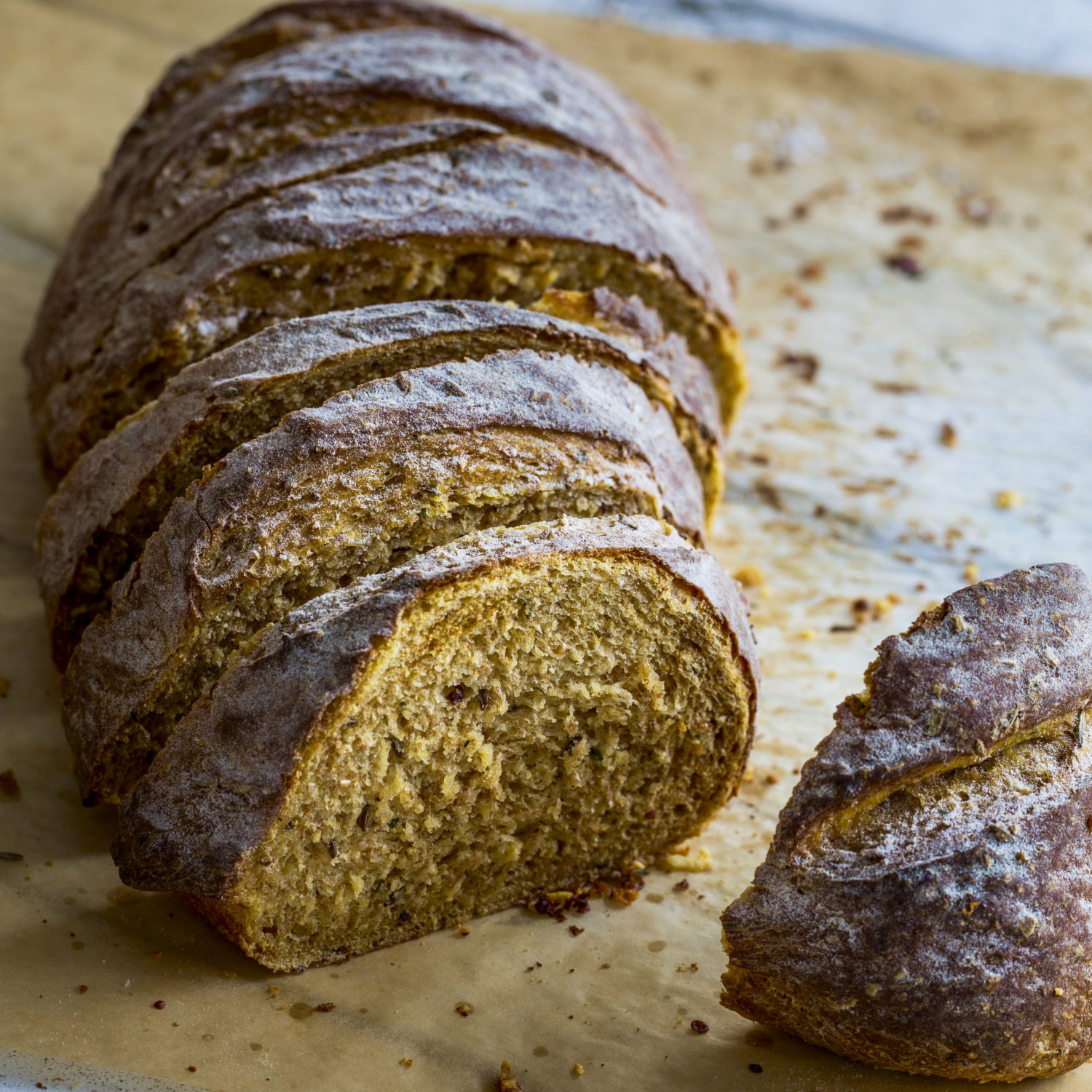
Kumara Bread Photo: Nadia Lim
Make your own
Buy your own
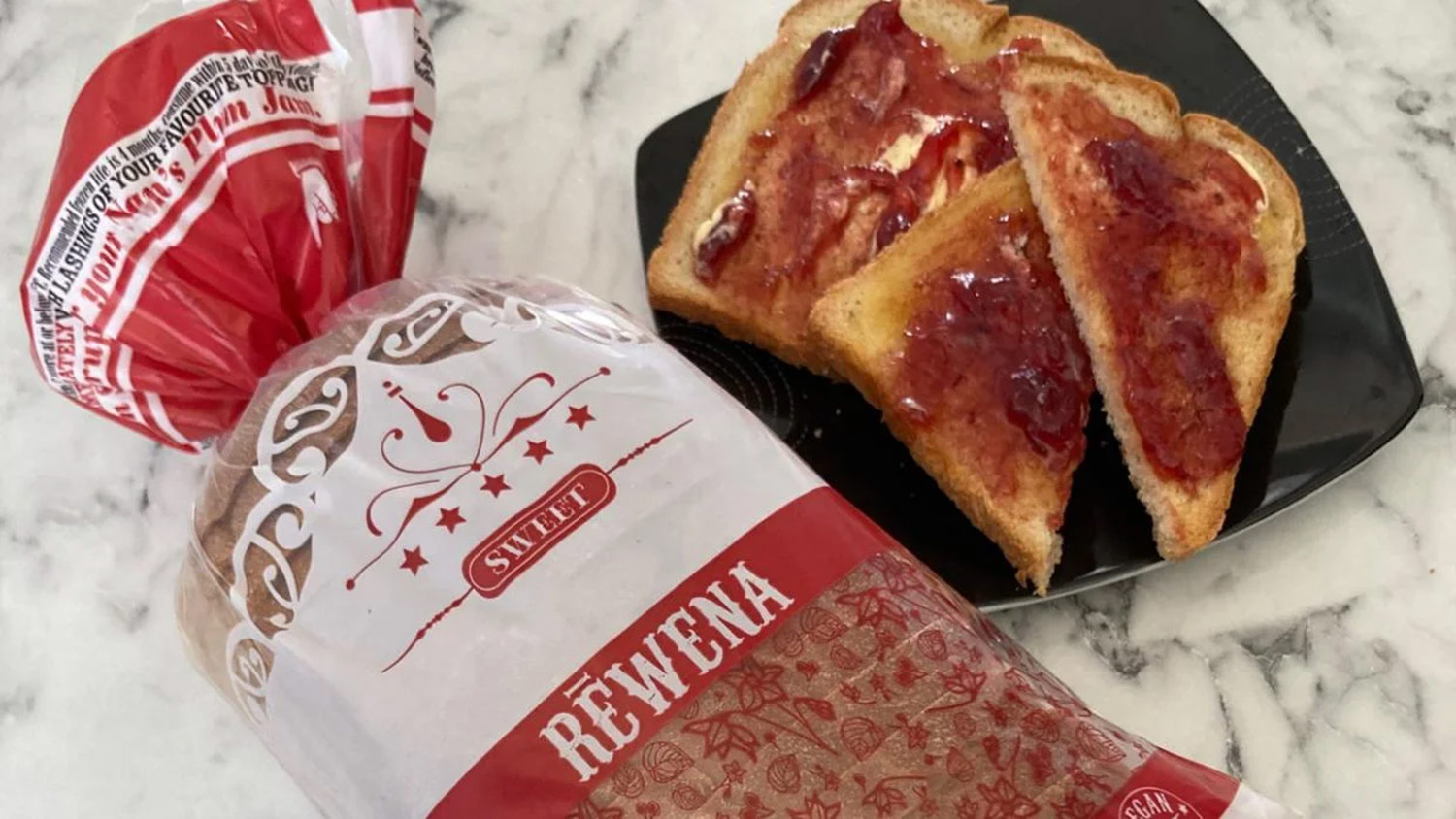
Jackson’s bread is made with a starter that comes from the 1800s. Photo: Jackson’s Rēwena Pāraoa
Where to find great bread in Aotearoa New Zealand
Generally in New Zealand, people buy sliced bread, but over the past decade or so, many Kiwis, through world travel and influx of other cultures, have become unashamed foodies. Specialty food offerings are ubiquitous in the big towns and cities, and bread is certainly not left out.
In my hometown of Auckland, here’s where you can find some excellent artisan bread (not exclusively rēwena):
Daily Bread—Auckland
Using a 600-year-old sourdough starter for their breads, the same owners have a fabulous restaurant in Ponsonby called Orphans Kitchen—somewhere I often recommend as a good spot to try contemporary Kiwi cuisine. Their strong ethics emphasize using locally grown flour, natural yeast, organic coffee, and minimal waste.
The Midnight Baker—Auckland
Catering exceptionally to people with a diet that is free of gluten, grains, sugar, dairy or nuts, this vegan café serves seed loaves topped with delicious sweet and savoury delights.
Olaf's—Auckland
Olaf's provides breads to many of Auckland's best restaurants. Inspiration comes by way of the breads of France, Italy, Switzerland, Germany and more.
Jacksons Rēwena Bread—Online and in Whanganui
Jackson’s bread has the UNESCO seal of approval, after they recognised it as part of their global Breads of the Creative Cities project, acknowledging the culturally significant role bread plays in communities. Where: 131 Duncan Street, Whanganui or order online at jacksonsrewenabread.co.nz
Main Photo: Groot42 Wikipedia
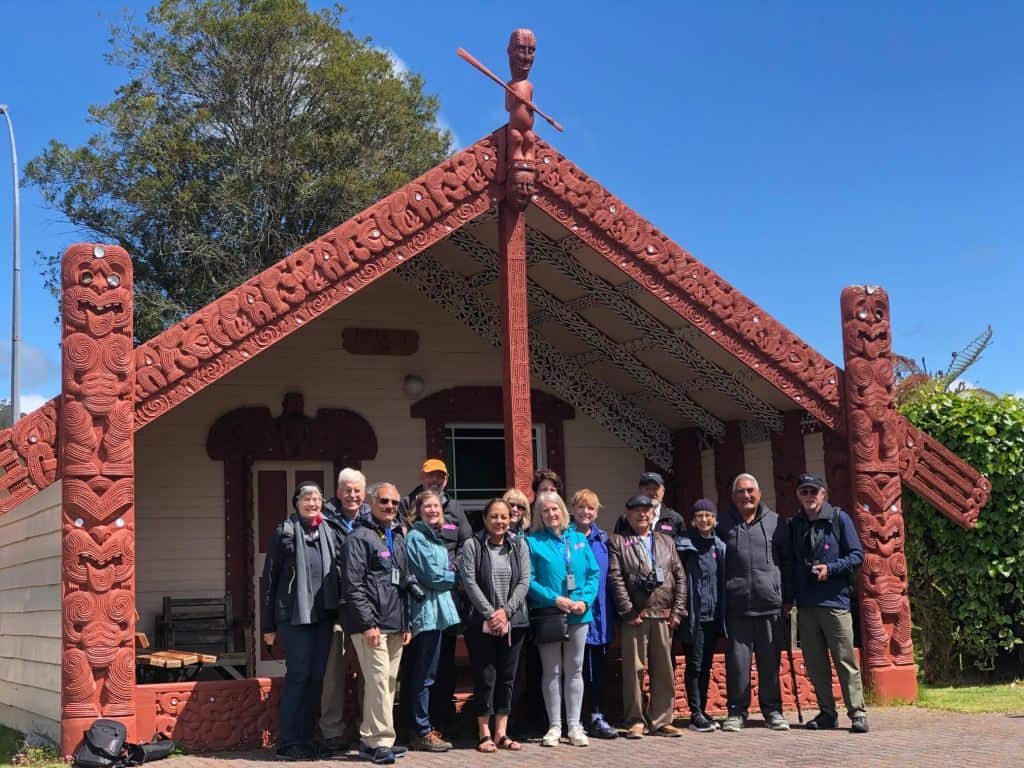
Marae, Rotorua, Aotearoa New Zealand, Mondumo Small Group Tour
Looking for a Tour of Aotearoa New Zealand?
Mondumo offers small group trips crafted with the same philosophy: authentic experiences, meaningful connections, and expert guides who love what they do.
Check out our itineraries and upcoming tour dates below.